

Jewelry ECOMM Tech


From First Click to Lifetime Customer: Using CRM to Grow Your Jewelry Business | November 02, 2025 (0 comments)
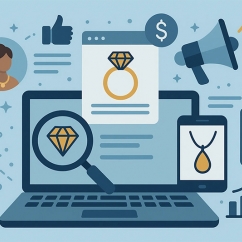
A well-managed Customer Relationship Management (CRM) system can transform how a jewelry business interacts with clients. From initial inquiries to repeat purchases, CRM tools enable jewelers to personalize communication, strengthen loyalty, and increase revenue. Implementing a CRM strategy ensures that every customer touchpoint contributes to long-term satisfaction and brand trust.
1. Understanding the Role of CRM in Jewelry Marketing
CRM platforms store and organize valuable customer data such as preferences, purchase history, and communication records. For jewelers, this information provides insights into buying behavior and helps tailor marketing campaigns to specific audiences. A robust CRM system allows you to deliver relevant content, whether promoting engagement rings, anniversary gifts, or custom pieces.
2. Building Stronger Connections Through Personalization
Personalization is the foundation of modern luxury marketing. With CRM, jewelers can send targeted messages that reflect a customer’s unique interests and milestones. For example, an automated email reminder for a customer’s wedding anniversary or a birthday discount on a favorite gemstone piece can create memorable experiences and inspire loyalty.
3. Tracking Customer Journeys from Start to Finish
A CRM system records every interaction, from the first social media engagement to the final purchase. This holistic view helps you understand where customers come from and what influences their decisions. By analyzing these journeys, you can identify which marketing channels generate the most conversions and where potential buyers tend to drop off.
4. Automating Follow-Ups and Post-Purchase Care
Automation within CRM tools allows jewelers to maintain consistent communication without manual effort. Follow-up emails thanking customers for their purchase, care instructions for their jewelry, or invitations to private events can all be automated. These thoughtful touches reinforce the relationship and encourage repeat visits.
5. Using Data to Refine Strategy and Forecast Demand
CRM analytics reveal patterns that can guide business strategy. For example, tracking which designs or gemstones sell best during specific seasons can inform inventory and advertising decisions. Predictive insights from CRM data help jewelers anticipate trends, manage stock effectively, and launch timely promotions.
Conclusion
A well-implemented CRM strategy enables jewelers to turn one-time buyers into lifelong customers. By using data to personalize communication, automate meaningful interactions, and forecast future trends, your jewelry business can achieve sustainable growth and deliver experiences that reflect the elegance and care behind every piece you create.