


Jewelry ECOMM Tech


How AI Co-Marketing Will Redefine Brand Partnerships in 2026 | October 05, 2025 (0 comments)
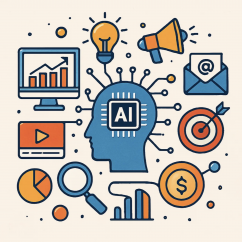
In 2026, marketing partnerships will no longer just involve two brands — they often include a third partner: AI. As artificial intelligence continues to evolve from an analytical assistant to a creative collaborator, it’s reshaping how brands ideate, produce, and promote campaigns together.
Welcome to the era of AI co-marketing, where algorithms join brainstorming sessions and AI tools become equal partners in brand storytelling.
1. From Collaboration to Co-Creation
Traditional partnerships revolved around audience crossovers and co-branded assets. Now, AI tools enable co-creation, where human teams from multiple brands use shared AI systems to generate visuals, video scripts, and interactive experiences in minutes.
Instead of weeks of approvals, AI allows for rapid iteration and unified creative direction based on real-time engagement data.
2. AI as a Neutral Creative Partner
AI systems act as impartial mediators, ensuring both brands’ tones, messages, and aesthetics blend seamlessly. For example, two competing brands might collaborate on a sustainability campaign, using AI to create cohesive narratives without creative bias.
The result? Emotionally balanced storytelling that resonates across shared audiences.
3. Data Sharing and Smart Privacy
Joint campaigns used to face friction over data silos. In 2026, secure AI analytics platforms enable brands to share insights without exposing sensitive data.
This means cross-promotion strategies now benefit from combined audience intelligence — but without violating privacy standards. AI handles anonymization, compliance, and consent tracking automatically.
4. Real-Time Optimization Across Channels
AI doesn’t stop at creative production — it also runs live performance simulations to predict campaign success across platforms.
If a TikTok version outperforms an Instagram reel mid-campaign, AI can dynamically adjust spend, captions, or timing. Co-marketing becomes adaptive, not reactive.
5. Ethical Branding and AI Transparency
As AI becomes a visible part of creative processes, audiences care about who (or what) makes the content. Forward-thinking brands disclose AI involvement as a feature, not a flaw — “crafted with human + AI creativity.”
This honesty builds credibility while celebrating innovation.
Conclusion
AI co-marketing is transforming partnerships from static collaborations into dynamic ecosystems. Brands that embrace this model will see faster content cycles, smarter audience engagement, and creative breakthroughs that humans alone couldn’t achieve.
In 2026, the question isn’t whether to include AI in your next partnership — it’s how creatively you’ll use it.