

Articles and News







The Hidden Dangers of Chlorine and Jewelry Explained By Dondero Diamonds and Fine Jewelry July 16, 2025 (0 comments)
Vineland, NJ--Chlorine, widely used for its disinfecting properties in pools, hot tubs, and household cleaners, can cause significant harm to both precious metals and gemstones in jewelry, according to an article by Dondero’s Jewelry.
[Image via iStockphoto.com]
The article explains that chlorine can weaken metals such as gold, silver, and platinum by attacking the alloys mixed into them, leading to microscopic cracks that can eventually cause the metals to break. This damage can accelerate in high temperatures, making hot tubs especially risky for wearing jewelry.
Dondero’s Jewelry noted that gemstones are also vulnerable. Porous stones, such as opals and pearls, may absorb chlorine, leading to discoloration and structural damage. Even harder stones, such as diamonds, are not immune, as chlorine can erode surface coatings or leave residues that dull their sparkle, diminishing the stones’ natural brilliance.
To prevent damage, the jeweler recommends removing jewelry before swimming, soaking in hot tubs, or using chlorine-based cleaning products. If removal isn’t practical, wearing protective gloves or storing jewelry safely away during such activities is advised. Prevention is preferable to repair, given the delicate nature of fine jewelry.
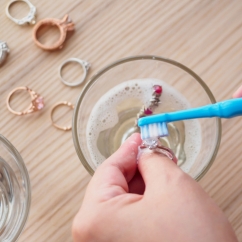
For jewelry already affected by chlorine, the article advises rinsing pieces thoroughly with clean water and gently drying them with a soft cloth. However, Dondero’s Jewelry cautions that serious damage, such as weakened metal structures or dulled gemstones, requires professional attention as jewelers have the tools and expertise to clean, polish, or fully restore damaged pieces.
Check out the article here.