


Sales Strategy






Frictionless Payments Are Changing How Consumers Spend March 26, 2026 (0 comments)
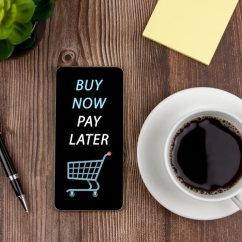
New York, NY--Frictionless payments are changing how consumers shop and spend. One-click checkout, digital wallets, and buy-now-pay-later tools are no longer just convenience features. They are affecting purchase behavior, cart completion, and how visible spending feels to the buyer.
[Image via iStock.com/Cn0ra]
According to a news release from NMI, its "Psychology of Payments" survey of 1,000 U.S. adults found that 50% shop more often when payments are seamless, while the same share abandon purchases when checkout is too complicated. The release also notes that 48% of consumers, and nearly 63% of Gen Z, say the digitalization of payments has significantly changed how they approach spending.
Seamless Checkout Is Increasing Spending
The article highlights that convenience is affecting both conversion and spend. More than half of consumers, 52%, say incentives such as loyalty rewards, cashback, and BNPL offers make them shop online more often. That rises to 72% among Gen Z and 67% among parents with children under 25. Another 52% say they prefer secure one-click online checkout over a slower in-person cashier interaction, while 48% say they spend more when checkout is fast and frictionless.
The release also points to a generational shift in payment preferences. Physical cards still lead overall, but 29% of Gen Z prefer digital wallets for both in-store and online purchases, compared with 18% of Millennials, 5% of Gen X, and 2% of Baby Boomers. At the same time, 51% of Gen Z say they use debit cards to avoid credit balances, and 17% say they use cash to control spending.
Convenience Is Also Changing Financial Behavior
The article notes that easier payments are also changing how consumers experience money. Twenty percent say digital payments have improved their ability to track spending, but 33% say the shift has brought both benefits and downsides, including feeling more disconnected from their finances and more likely to overspend.
Gen Z shows the strongest effect. The release says 29% say digital payments have worsened their perception of money, and 37% say they have spent more at checkout without realizing it, compared with 22% overall. BNPL is also influencing spending. Nearly 24% of consumers overall, and 35% of Gen Z, say they have used BNPL because it made purchases feel less real. The article adds that 35% of all respondents have used BNPL to buy things they could not afford upfront, rising to 45% of Millennials and 49% of Gen Z.
Financial Literacy Concerns Are Rising
The release suggests that convenience and financial control are moving in opposite directions for many consumers. NMI found that 88% of respondents, including 92% of Baby Boomers, believe financial literacy has never been more important. Among Gen Z, that figure is 83%, even though younger consumers are the most likely to say money feels less real in a digital payment environment.
Read the news release here.