

Sales Strategy




Jimmy DeGroot: Asking Permission is One of the Most Powerful Sales Tools | January 20, 2026 (0 comments)
Appleton, WI--Let’s start with something simple. Before you show a ring. Before you open a case. Before you pull out a tray. You ask one small question: “May I show you something?”
That question might feel polite. It might feel obvious. It might even feel unnecessary to an experienced jeweler. But make no mistake: asking permission is one of the most powerful sales tools you have, especially in a jewelry environment where trust, emotion, and comfort drive buying decisions. This training is about why asking permission works, what it does psychologically, and how to use it intentionally to increase engagement, trust, and close rates—without pressure or manipulation.
Jewelry Is Emotional, Not Transactional
Jewelry is not bought like socks or batteries. It’s emotional, personal, financially meaningful and often tied to relationships, milestones, or identity. Because of that, customers come in with guardrails. They are excited—but cautious. Curious—but defensive. Open—but protecting their autonomy. When a customer feels pushed, even subtly, their defenses go up. Asking permission does the exact opposite. It says: I respect you. You’re in control. This is your experience. And control creates comfort. Comfort creates openness. Openness creates sales.
Permission Lowers Psychological Resistance
Humans don’t like being told what to do—especially when money is involved. This is known as psychological reactance: the instinctive resistance people feel when they believe their freedom of choice is being restricted. So when you say: “Let me show you this,” “This is our best seller,” “You should see this ring.” Even with good intentions, the customer may subconsciously think: “Why are you deciding for me?” But when you ask: “Would it be okay if I showed you something?” You hand control back to the customer. That simple shift: Lowers resistance, softens posture, reduces tension and makes the interaction collaborative instead of combative. You’re no longer selling at them. You’re working with them.
Permission Creates a Verbal Commitment
When a customer says “yes,” something powerful happens. They have made a micro-commitment. That verbal “yes” engages their brain, builds momentum and Increases consistency with future actions. If they say yes to seeing it, they are far more likely to: Look at it attentively, Ask a question. Try it on, discuss price, and consider purchasing. This is why skilled salespeople focus on small yeses early, rather than pushing toward a big yes at the end. Permission isn’t about politeness—it’s about psychological alignment.
Permission Turns you into a Trusted Guide
In jewelry, customers really don’t want a salesperson. They want an expert. They want a guide. And they want someone who understands both the product and their situation. Asking permission positions you as thoughtful, professional, consultative, and focused solely on them. It sends a clear message that “I’m not here to push inventory. I’m here to help.” This is huge. Trust doesn’t come from knowledge alone. It comes from how the knowledge is delivered.
Permission Sparks Curiosity Instead of Defense
Curiosity is one of the most underutilized forces in retail sales. When you ask: “Can I show you something that might fit what you just told me?” You plant a seed. Now the customer is thinking: “What is it?” “How does it fit me?” “Why this piece?” Curiosity keeps people engaged. Engagement keeps people in the moment. And the longer a customer is emotionally engaged, the more likely they are to buy. Permission creates curiosity without pressure.
Permission Filters Interest and Saves Time
Not every customer is ready. Not every customer is interested. Not every moment is right. Asking permission: Respects the customer’s pace, Protects the associate’s energy andPrevents wasted effort. If a customer says: “Sure” “Yes, please” “That’d be great” You know you have an opening. If they say: “Not right now” “Just looking” “Maybe later” You’ve gained valuable information without rejection or tension. This leads to better conversations, not fewer.
Permission Frames the Product as a Service
How to Use Permission in Jewelry Sales (Examples)
Here are a few real-world ways to use permission naturally:
- “Would it be okay if I showed you a couple of options?”
- “May I pull something that matches what you just described?”
- “Can I show you one piece that other guests like for this occasion?”
- “Would you like to see how this looks on your hand?”
Each of these invites collaboration, not confrontation.
Final Takeaway
Great jewelry sales don’t start with the presentation. They start with permission. That small question: “May I show you something?” It does a whole lot more than just opening a jewelry case. It opens trust, curiosity and it opens the door to a meaningful sale. And my friends in jewelry, meaning is everything.
One Line to Remember
“If they say yes to seeing it, they’re already partway to owning it.”
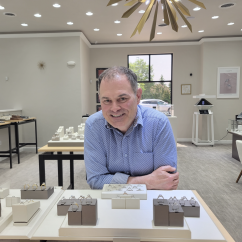
James (Jimmy) DeGroot is a professional jewelry sales and operations trainer from the jeweler’s side of the counter. Having been in management and the jewelry business for over 20 years, Jimmy offers weekly training to jewelers nationwide via the Train Retail website. Jimmy and his partner Kyle Bullock help jewelry stores grow their profits and their people to fulfill their greater purpose! We do it through one-on-one business coaching, sales training, and leadership development. Contact Jimmy at jimmy@trainretail.com or call 920-492-1191.