


Sales Strategy






How Data-Driven Store Layouts Can Improve Retail Sales and Efficiency April 16, 2026 (0 comments)
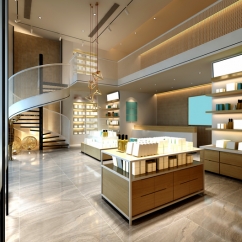
Munich, Germany--Store layout has a direct effect on how customers move through a retail space, what they notice, and what they buy. According to an article by Ariadne, layout is not just a visual or design decision; it affects product visibility, customer flow, space efficiency, and sales performance. The article also cites McKinsey & Company in stating that optimizing store layouts can increase sales by up to 15%.
[Image via iStock.com/Explora_2005]
What Shapes an Effective Store Layout
Per the post, several factors influence layout decisions. Space availability and customer flow are central, especially when retailers use people counting and visitor flow analytics to identify movement patterns, bottlenecks, and high-traffic zones.
Customer demographics also matter, since layouts can be adjusted to reflect the preferences and shopping habits of the people most likely to visit the store. Brand identity is another factor, with layout playing a role in reinforcing how the store is perceived.
The blog post also points to high-traffic zone planning and cross-merchandising as key opportunities. Positioning high-margin products and related items in the right places can improve visibility and encourage additional purchases.
How Analytics Support Better Decisions
Data tools help retailers move from assumptions to actual shopper behavior, with platforms providing real-time visitor flow analytics, heat maps, and performance metrics such as dwell time and conversion rates. Per the post, these insights can support decisions on staffing, product placement, and promotional displays.
The article cites examples, including Weko and a Swedish furniture retailer, where layout changes based on analytics were linked to higher engagement and increased sales in high-traffic areas.
Why This Matters Going Forward
The article argues that data-driven layout planning will become more important as retailers look to improve personalization, efficiency, and adaptability. It also connects future layout decisions to AI, predictive analytics, sustainability, and real-time adjustment.
The central point is that store layouts work best when they are treated as an operational strategy shaped by customer behavior, not just store design.
Read more in this article by Ariadne.