

Sales Strategy




The Jewelry Store Buyers Circle: Stop Waiting for the Ring: Why Self-Purchasing Women are Your New Growth Engine | April 02, 2026 (0 comments)
Merrick, NY--For decades, the jewelry retail model has been anchored by a single, romanticized event: the engagement. We’ve built our showrooms, our marketing budgets, and our inventory levels around the "one-and-done" bridal buyer. But if your display cases are still 80% bridal, you’re ignoring the most loyal, high-frequency customer in your CRM. The self-purchase category is your most scalable growth engine. While bridal cycles are lengthening, the woman buying for herself represents a daily luxury margin that brings consistent profitability and multiple sales.
Let’s discuss: Email your response to hhauben1@gmail.com. All submissions will remain anonymous. Here are a few ideas/questions to get started:
1. How would your monthly cash flow requirements change if you reallocated a portion of your budget from high-ticket pieces into a high-velocity, daily luxury replenishment program?
2. If you filtered your database by purchase frequency, what does your repeat customer profile look like, and are you missing out on add-on sales or referral opportunities by focusing on high-ticket sales instead of the consistent buyers?
3. When you review your on hand inventory reports, how many fashion pieces do you have under $3,000 that can be sold to self purchasers?
Traditional wisdom says we should chase the big-ticket engagement ring. However, recent luxury surveys indicate that self-purchasing women now account for over 35% of the total fine jewelry market share, a number that has steadily climbed as female economic power rises.
From a buyer's perspective, the math is undeniable. The downfall of an engagement ring sale is that the customer often comes in three or more times before making a purchasing decision. Conversely, self-purchase items (think $500–$2,500 wardrobe pieces) typically enjoy higher markups and a significantly faster inventory turnover rate. If you audit your sales forecasting, you’ll likely find that a loyal self-purchaser who visits three times a year for a promotion present or "just because" earrings is worth more to your bottom line over five years than a one-time bridal client.
We can see this shift in the success of digital retailers like Mejuri, whose business model is built almost entirely on the self-purchasing woman. Their data reveals a strong loyalty metric: over
30% of their customers return to make a second purchase within the same year.
Buying for the Me instead of the We
It is time for buyers to make the shift from event-based buying to lifestyle-based procurement.
Here is how to pivot:
Audit the hue over the specs: Self-purchasing women are less likely to obsess over a grading report and more likely to buy based on aesthetic, hue, or how a piece fits their existing stack.
Price strategy: Use strategic pricing to build an accessible luxury entry point that maintains your margins while incentivizing the habit of multiple purchases throughout the year.
Vendor consolidation: Partner with manufacturers who offer "daily wear" collections. You need a supply chain that can make a margin and sell in quantities.
Stop Being a Museum
If your store feels like a cathedral where people only come for sacred events, you are missing the heartbeat of modern retail. Data-driven growth happens when you create an environment
where a woman walks in with her own credit card and a desire to celebrate herself.
Inventory is a stagnant asset until it’s on a customer. If your cash is tied up in 2ct solitaires that have been sitting for 18 months, you have a procurement problem.
Our Mission: The Jewelry Store Buyers Circle column is designed to empower jewelry store buyers with actionable insights and strategies that drive success in today’s dynamic market. By combining the precision of data analysis—such as key reports, inventory optimization, and sales forecasting—with practical advice on merchandising, vendor negotiations, and pricing strategies, this column will serve as a comprehensive guide. Beyond the numbers, I aim to explore the art of building strong vendor relationships and mastering the nuances of customer-centric buying decisions, ensuring readers are equipped to navigate both the analytical and human aspects of the jewelry business.
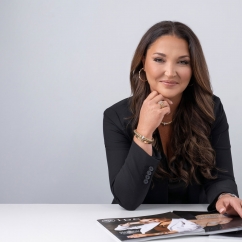
About the Author: Megan Crabtree is the Founder & CEO of Crabtree Consulting, a boutique consulting firm with a proven track record of successfully growing jewelry retailers and manufacturers for over two decades. Known for their unique data-driven approach, they flawlessly identify barriers and create tailored growth opportunities, fueling unprecedented success and helping clients reach their goals in the industry. For more information, visit https://www.crabtreeadvisory.com/